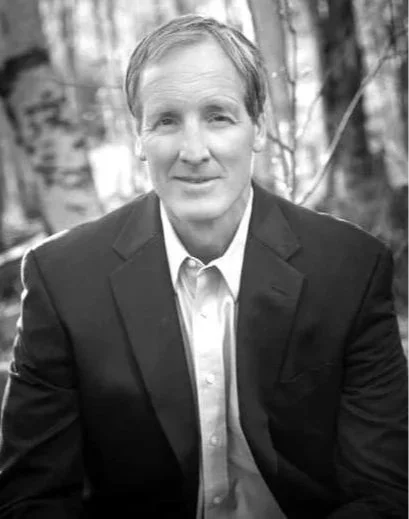
Pete Gosar
County Commissioner
Albany County, Wyoming
From your perspective, why is methane an important issue for Wyoming communities to pay attention to?
It’s a resource that people own, and in difficult financial times especially, methane is something that should and could generate income for our communities, counties, and the state. I think that being wasteful is not a part of the American, Wyoming, or Western ethos. In addition to that, methane causes significant damage to the climate. I haven’t heard a good reason to allow methane venting, leaking, and flaring to continue.
What role is Wyoming playing in addressing methane emissions, and what do the state’s regulatory efforts accomplish?
Wyoming regulations on pollution could be stronger. We see other states leading the way on successfully reducing methane, which shows we don’t have to reinvent the wheel here – just follow their example.
How have oil and gas operations and methane emissions affected residents, land, or local economies in your county?
We don’t have a whole lot of mineral extraction in our county, but I’m the son of an oil field worker, and where I grew up, we experienced numerous days with unhealthy emissions levels. Evidence shows those emissions can be reduced or eliminated through sound, common sense regulation.
What opportunities do you see for Wyoming workers and businesses in the growing methane mitigation industry?
There is proven job creation associated with methane mitigation, and methane that’s captured and sold rather than burned or vented into the air is just common sense.
With recent federal rollbacks and obstructions on methane rules, why is it important for states and counties to continue moving forward on solutions?
Those in Washington, DC, might not feel the impacts of methane pollution or understand the value of a wasted resource, but we feel it in our communities. Wyoming is a small state, and revenue from captured methane and job creation from the growing methane mitigation industry could help address the poverty affecting some of our communities. Rules and regulations around methane emissions are key to seeing those benefits.
Some residents and industry groups have voiced opposition to stronger methane regulations. Do you have a statewide sense of the public attitude on cutting methane? What do you hear from your constituents who are concerned about these rules?
What I hear is that waste is not something we admire. Corporations can spend a few more bucks to operate the right way. By not releasing methane, by finding ways to market the product, you’re being a good neighbor.
How do you navigate the political challenges around methane policy while representing the interests of your community and doing what you as an elected official think is best for public health, the climate, and Wyoming’s energy future?
I believe local elected officials have a duty to protect the health and welfare of their constituents. It’s an obligation I take very seriously. Leaders need to remember they represent people and are elected to serve communities – not multinational corporations.
What role do local leaders like yourself play in helping bridge divides and build common ground on energy and environmental issues? How can collaboration with organizations like ours help support local leaders facing this kind of political pressure, and build support/share accurate information for methane policy?
Western Leaders Network has played a huge role in education on timely issues that affect our environment and the wellbeing of our communities. It’s hard with the daily responsibilities of our jobs to take the time to learn about something like methane policy, but if organizations like WLN can do some of the work and help us understand it, that role is an important one. Constant improvement is an American tradition, and we can always do something to make our communities healthier, more sustainable, or more economically sound. And organizations like yours help leaders get the necessary information to engage in public processes, advocate decision-makers, ask difficult questions, and be able to speak knowledgeably.
Looking ahead, what do you think the conversation around methane and energy development in Wyoming will look like in the next five years?
It’s hard to say what the future holds, but once people understand that methane waste is not a sustainable practice or long-term strategy, they’ll come around. My hope is that people press their local leaders and decision-makers to pursue smart policy.
Looking back, what are 1-2 of your proudest accomplishments over the past two years?
I think that protecting our local aquifer – a major groundwater source – that is near and dear to Albany County was a success. We did the best we could getting consensus on a protection plan using the best available science. That took years of dedication and discipline. We’ve also pursued solar installations for county buildings, which we expect to pay for themselves.
What role has WLN played in helping you support your community, build effective policies/programs, and/or navigate the complexities of your role? Which WLN’s resources and/or supports are most valuable to you? Why?
You’ve helped raise awareness of issues that I might not have otherwise known about that have an impact on my community and state. By reading your newsletters, you can keep up with what other leaders are doing, coordinate with them, and get ideas you could potentially apply in your own community.
What inspires you most about the leaders in the WLN network?
Their dedication to their communities and the work they do. Politics can be given a bad name and rightfully so, but I see a lot of decision-makers committed to the daily hard work of being a public official and making decisions that have real health and environmental benefits for their communities.
How can WLN be most helpful to you in the year ahead?
Continue to do what you’re doing and share information about issues that affect our communities. Using methane regulatory efforts as an example, the information you provide about the topic helps me communicate with decision-makers and constituents. We can’t be hesitant to talk about and engage with topics that are politically difficult. That’s how we go forward and bridge divides as a community and state – through respectful dialogue.